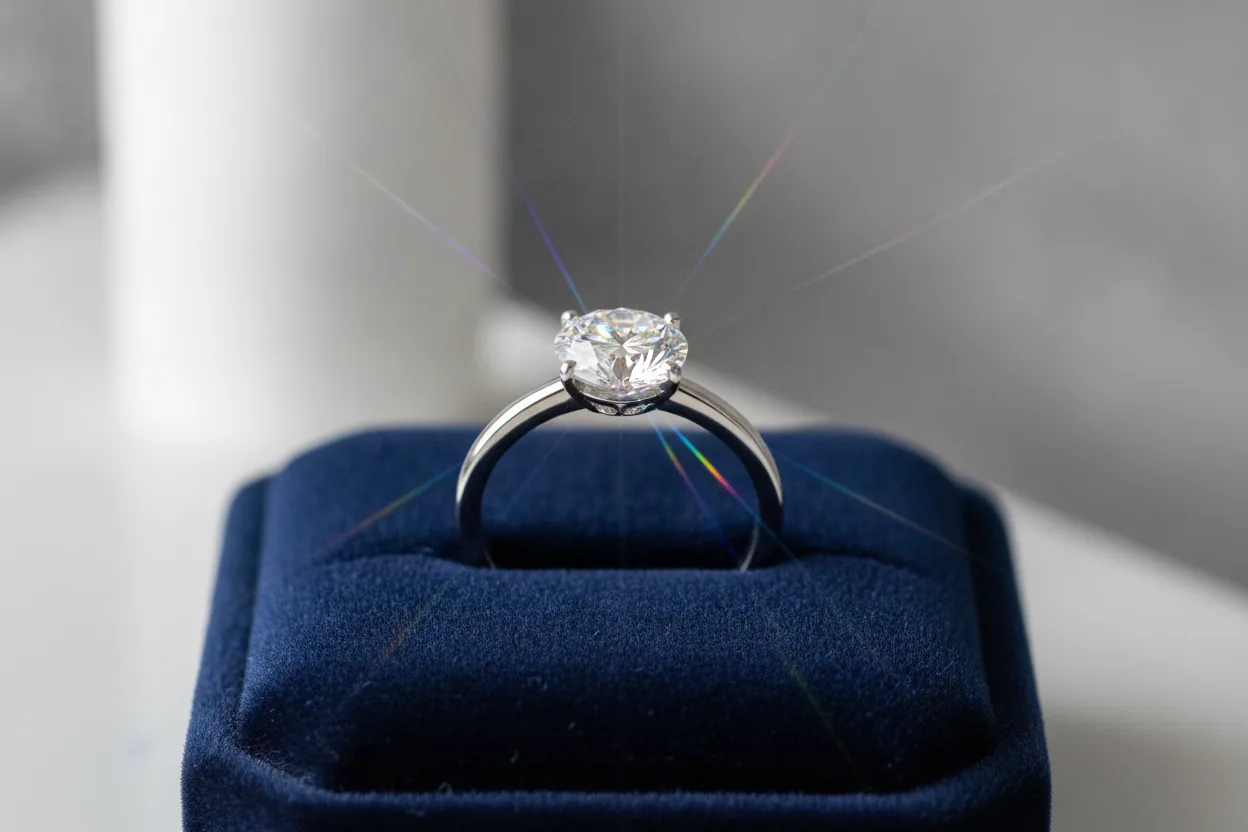
Lab-Grown Diamonds: the Science, the Savings, and the Sustainability Case
A lab-grown diamond can be grown in as little as six weeks and typically costs 50 to 80 percent less than a comparable mined stone. That alone gets most people's attention. But the variable that actually determines whether that stone is better for the planet is one most buyers never think to ask about: what energy source powers the facility where it was made.
- Conventional mined production disrupts an estimated 250 tons of earth per carat of polished diamond. Lab-grown eliminates that entirely.
- When HPHT and CVD facilities run on renewable energy grids, carbon emissions per carat can get close to zero.
- Brands like Brilliant Earth publish supply chain transparency reports covering energy sourcing and facility audits, so the claims are at least checkable.
- Clean Origin, one of the largest direct-to-consumer lab-grown retailers, sells IGI-certified stones starting around $500 for a 1-carat round brilliant cut.
- James Allen lists over 100,000 lab-grown diamond options with 360-degree imagery, which makes pre-purchase visual inspection genuinely useful rather than a gimmick.
The sustainability advantage is real, but it comes with a catch. A lab-grown diamond produced on a coal-heavy grid carries a heavier carbon footprint than one grown with hydroelectric or solar power. Energy sourcing at the production facility is the single most important environmental variable, full stop. Facilities certified by organizations like SCS Global Services, or brands that publicly disclose their energy mix, give you something concrete to evaluate. Buyers who check that before purchasing are the ones whose environmental case actually holds up.
Forbes 2026 Coverage and the Brands Driving Current Buyer Interest
In July 2026, Forbes published its updated roundup, Best Lab-Grown Diamonds 2026: Stunning Jewelry From Top Brands, covering expert picks across engagement rings, earrings, necklaces, and loose stones from leading retailers. A companion piece, Best Online Jewelry Stores 2026: Top Picks From A Gem Expert, ran alongside it, giving lab-grown diamonds an unusually high-visibility moment in mainstream consumer press right during peak summer shopping, which captures both engagement season and anniversary gift buying in the same window.
- Brilliant Earth landed dual placement across both Forbes July 2026 roundups, recognized for its Beyond Conflict Free sourcing standard and a lab-grown collection spanning solitaires, halos, and pavé bands.
- Vrai, associated with Diamond Foundry and its San Francisco Bay Area foundry running on zero-emission renewable energy, was cited again for full vertical integration and a carbon-neutral production claim across its entire output.
- Clean Origin earned its Forbes 2026 list position through concierge customization, IGI-certified stones, and a 100-day return window at accessible price points.
- With Lab Diamonds, a newer direct-to-consumer brand, drew Forbes attention for transparent per-carat pricing and GIA-graded lab-grown stones, a grading standard that until recently was associated almost exclusively with mined diamonds.
- Lab-grown diamond jewelry from multiple brands also appeared in the Best Luxury Gifts For Her Forbes feature published the same month, which pretty much confirms the category has completed its shift from budget alternative to premium positioning.
The structural change that did the most to lift the category's credibility was the GIA's decision to grade lab-grown diamonds with the same rigor it applies to mined stones. That policy was formalized in recent years and is standard practice by 2026. Buyers who previously hesitated because lab-grown felt unserious now have the same certification framework they always trusted. The Forbes 2026 coverage lands at the most thoroughly vetted moment the lab-grown segment has ever had, with certified options spanning every price tier from under $1,000 to six-figure custom pieces. For anyone shopping for an engagement ring or a significant jewelry purchase this year, the combination of GIA grading, widespread certification, and competitive pricing means most of the barriers that kept buyers on the sidelines are simply gone.