What apartment composting actually means
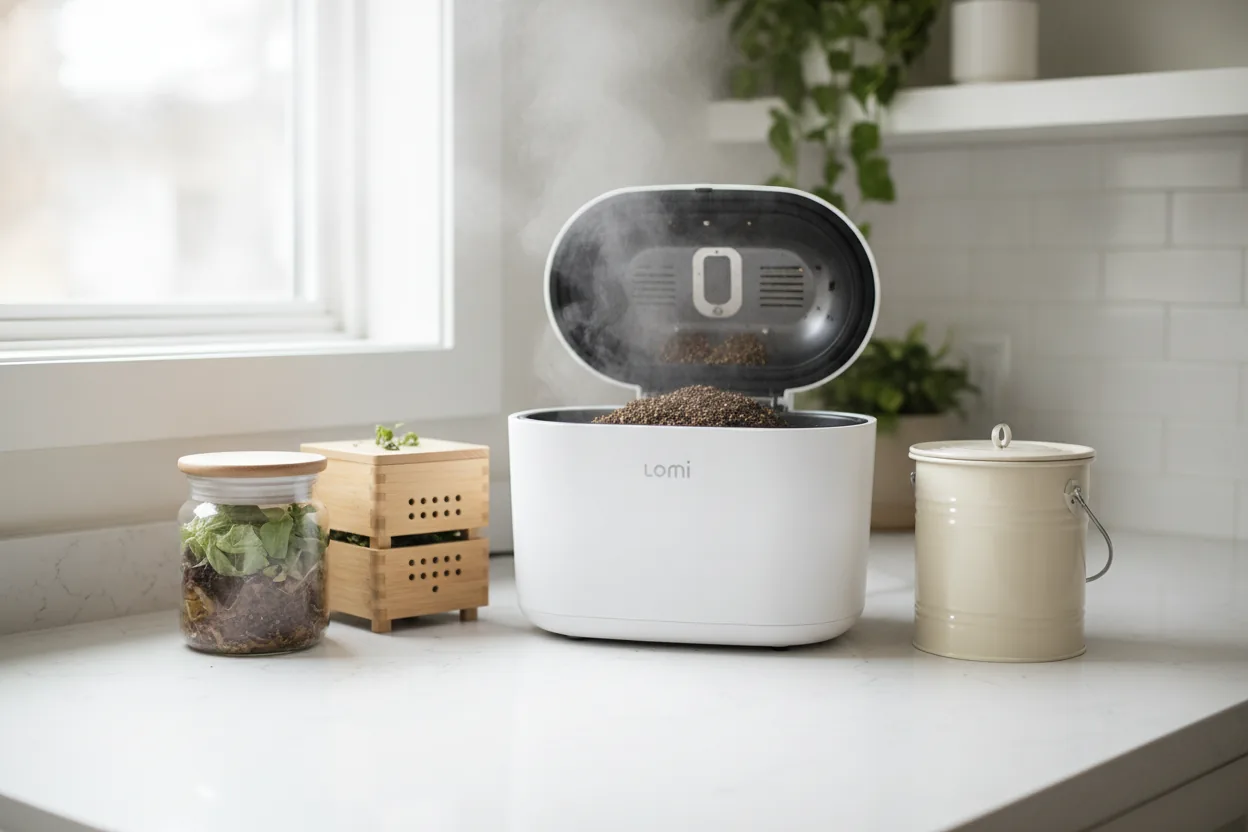
An electric composter like the Lomi can turn kitchen scraps into soil-like material in hours. That output technically isn't real garden compost, though. A bokashi bucket, meanwhile, takes two weeks of fermenting to get there. So with four apartment-friendly methods on the table, everything from fussy worms to zero-equipment pickup services, which one actually fits a no-backyard routine you'll stick with?
- Bokashi bucket systems that ferment scraps using a bran-based microbe culture
- Vermicomposting bins that rely on red wiggler worms to break down produce scraps
- Electric countertop composters like the Lomi, which dehydrate and grind food waste
- Drop-off or pickup programs, the kind some local composting services run, for anyone who wants zero equipment at home
Each method solves the same core problem, no outdoor space, but they part ways on speed, smell, and how much manual effort you're signing up for. Anyone renting a studio apartment with no patio has at least one realistic option here, and that matters because food scraps make up a big share of what usually ends up landfilled from a household kitchen. Square footage was never really the barrier. Renters just need to pick the method that fits how they actually live.
Choosing and running a system that fits your space
Once you accept that space isn't the issue, the real question becomes how these four methods hold up day to day. The right one depends on your counter space, your tolerance for worms, and whether you're after finished garden-ready compost or just want the waste diverted somewhere useful. Compost Nashville's breakdown of indoor methods scores each option on cleanliness, convenience, and compost quality, and the tradeoffs stay pretty consistent across the board: fermentation is fast but turns smelly if you mishandle it, worms are low-maintenance but picky eaters, and electric machines are the cleanest of the bunch without actually producing true garden compost.
- Bokashi method: Layer food scraps with bokashi bran in a sealed bucket, alternating scraps and culture until it's full, then seal it and let it ferment for about two weeks before aerating the material further.
- Vermicomposting: Add red wiggler worms to a ventilated bin, feed them vegetable and fruit scraps, and skip the citrus or tomatoes, worms can't handle high-acid food well.
- Electric composters: Machines like the Lomi grind and dry scraps into soil-like output within hours. One composting demonstration on YouTube points out that this still isn't true garden compost, not by a gardener's definition anyway.
- Finishing step: both bokashi and electric-composter output need a follow-up phase, buried in a community garden plot or mixed into potting soil, before plants can actually use it.
- No-equipment option: municipal or private pickup services let apartment dwellers hand off scraps in a countertop pail, no fermentation, no worm-care, none of it.
Bokashi rewards people willing to manage a two-stage process in exchange for higher-quality finished compost. Worms suit anyone comfortable feeding a small living ecosystem in their kitchen. Electric composters suit renters who want speed and don't mind the extra finishing step tacked on afterward. The best system is simply whichever one you'll keep feeding scraps into, week after week, because an abandoned bin under the sink helps nobody. So loop back to those four options up top: the studio renter with no patio doesn't need more square footage to start diverting food waste. They just need to match one of these four methods to how they actually live, and let the habit, not the equipment, decide what sticks.