What a pollinator garden actually requires to function
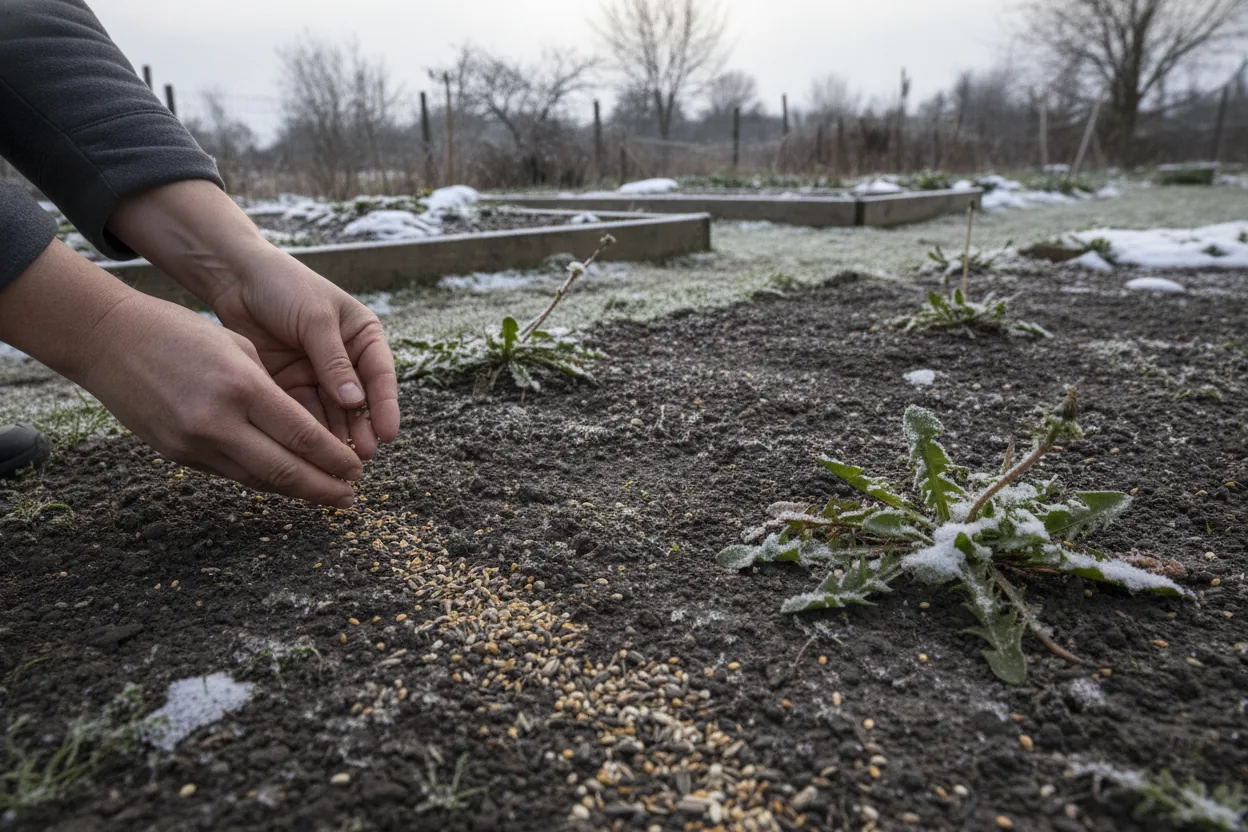
Dandelions are the plant most gardeners yank out on sight, but they're one of the earliest food sources bees get each spring. And the right time to seed a pollinator bed is often when the ground is freezing or still buried in snow. So if the weeds you're removing and the planting dates you'd never think to pick are actually the two things a bee garden depends on most, when should you actually plant one?
Soil comes first. Test pH, nutrient levels, and composition before planting, that tells you whether you need to add compost or other organic matter for fertility and drainage. Skip this step and you're probably looking at a rough first year.
Bloom succession comes second. Bees need nectar and pollen from early spring through late fall, not just during the summer rush. Queens establishing colonies in spring and migratory butterflies fueling up in fall both depend on that continuous food supply, so a garden stocked only with summer bloomers leaves real gaps, the kind that matter biologically, not just aesthetically.
Plant diversity, in flower shape, color, and bloom time, pulls in a wider range of pollinators: bumblebees, solitary bees, butterflies. Clustering plants instead of scattering them individually also helps, since it makes flowers easier for pollinators to find and raises foraging efficiency.
Maintenance timing matters too. Deadhead spent blooms during the growing season and you extend flower production and food supply. Hold off on major pruning of shrubs and perennials until late winter or early spring, though, because hollow stems and plant debris shelter overwintering insects. Here's the detail that trips people up: dandelions, which most people pull without thinking, bloom earlier in spring than almost anything else you'd plant. Leave them alone and they're doing real work.
Soil, bloom succession, diversity, maintenance timing: these four requirements all point to the same conclusion. The moment you plant matters as much as what you plant. Here's exactly when that moment is.
Spring and fall are the two planting windows that work
Plenty of gardeners assume timing is flexible as long as the soil is workable. It isn't. The right window depends on whether you're starting with seeds or small plants, and the two paths diverge in specific ways.
For small plants, the window generally runs from the last spring frost to sometime before the first fall frost, though exact timing shifts depending on the plant and your local climate.
Spring and fall beat summer because temperatures stay moderate and moisture levels favor root establishment, which cuts down on transplant stress.
Seeds are less forgiving on timing, and split into two distinct methods:
- Fall dispersal: scatter seeds and cover with soil before the ground freezes. This gives many native species the winter dormancy period they need to germinate properly come spring.
- Late winter scattering: spread seeds directly over existing snow. Sun exposure heats the seeds, they settle into the snowpack, and melting snow supplies the moisture they need to germinate.
- Late fall or early winter planting: seeding during a freeze maximizes seed-to-soil contact, and the snow cover doubles as protection from animals eating the seeds or wind scattering them.
Early spring rains finish the job for seeds planted in these winter windows. Across both plants and seeds, the pattern holds: skip the heat and dryness of peak summer, lean into the moisture-rich transitions of spring and fall. That leaves exactly two reliable entry points on the calendar for anyone starting a new bed.
Knowing when to plant only gets you halfway there, though. The other half is figuring out what blooms in each of those windows, so the garden produces food continuously instead of in isolated bursts.
How do you build a bloom calendar instead of a single planting day
"When should I plant" gets treated like it has one answer, one date. It doesn't. You need a full-season bloom calendar, since bees need forage from the first spring thaw all the way through the last fall frost.
Early spring coverage matters most for queen bees establishing new colonies after winter dormancy, right when few flowers have opened yet. Columbine and violets are solid picks for filling that early gap, and dandelions left standing in early spring cover the stretch before cultivated plants bloom. They're also doing something underground: dandelion roots run deep enough to loosen compacted soil, which improves conditions for everything planted around them.
Midseason coverage through summer is usually the easy part, since most popular native perennials bloom in this window anyway. Wild onions and black-eyed susans are a couple of native options worth considering for midseason bloom, depending on your space and growing conditions.
Late-season coverage is where gardens most often fall apart. Migratory pollinators, butterflies especially, need nectar sources into fall to fuel long-distance travel. A garden that stops blooming in August leaves a critical gap at exactly the moment some species need fuel the most.
Here's how that translates into an actual planting sequence:
- Late fall to early winter: direct-seed natives into freezing ground for strong seed-to-soil contact.
- Late winter: scatter remaining seeds over snow cover for a second germination window.
- Early spring, after last frost: transplant small plants like columbine and violets for immediate early bloom.
- Through summer: deadhead spent blooms regularly to extend flower production without disturbing root systems.
- Several weeks before first fall frost: finish any remaining small-plant transplanting for the season.
- Following late winter: delay pruning of shrubs and dead perennial stems until this point, so insects overwintering inside hollow stems make it through.
So the two questions from the start, which weeds to leave and which dates to pick, land on the same answer. Leave the dandelions for early spring forage, and work off the four seasonal touchpoints above instead of chasing a single planting day. Build it this way and the garden feeds bees and butterflies from the first thaw to the last frost, not just during the handful of weeks a gardener happens to find convenient.